We live in a world dominated by screens, notifications, and endless digital content. Marketers are constantly pushed toward social ads, email campaigns, and automated funnels. And while all of these channels have their place, something interesting is happening.
Print is quietly outperforming expectations.
Direct mail response rates are rising.
Premium packaging is influencing buying decisions.
And customers are paying more attention to what they can touch, not just what they can scroll past.
In a digital-first world, print still wins. Here’s why.
1. Print Earns Trust in a Way Digital Cannot
Consumers trust print more than almost any digital medium. Print has weight, permanence, and intentionality. When something arrives in the mailbox, shows up on a desk, or sits on a shelf, it carries a level of credibility that a sponsored post simply cannot match.
Trust matters when you’re asking someone to buy, to believe, or to remember.
2. Print Creates a Physical Experience
Digital is temporary. Print is physical.
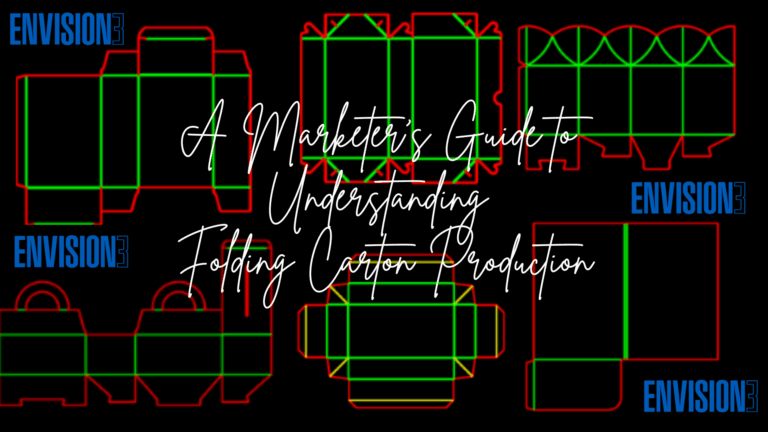
You can feel the texture of a soft-touch coating, see the depth of a foil stamp, or pull a product out of a beautifully engineered folding carton. That experience creates emotional memory. Neuroscience shows that physical materials activate more areas of the brain than digital content.
The result:
Printed messages are processed longer, remembered longer, and acted on more often.
3. Print Cuts Through Digital Fatigue
Most people see thousands of digital ads every day. Inboxes are overflowing. Social feeds move faster than anyone can keep up with. Digital overload is real.
Print stands out because it doesn’t interrupt. It doesn’t auto-play. It doesn’t require clicking away from what you’re doing. It shows up in a space with less noise and more attention.
In an overstimulated world, print offers relief.
4. Print Supports Premium Brands
Look at any premium or luxury product on the shelf. The packaging, the unboxing experience, the tactile details—all of it reinforces the value of the product.
Brands that want to stand out know this:
Premium presentation requires premium printing.
Whether it’s a folding carton, a retail display, or a direct mail package, physical branding elevates perceived quality and strengthens the emotional connection with the customer.
5. Print and Digital Work Better Together
This isn’t print versus digital. It’s print plus digital.
Direct mail can drive people to landing pages.
Packaging can include QR codes that link to content.
Catalogs can spark online purchases.
Printed pieces can fuel retargeting audiences.
When print anchors a campaign, digital becomes more effective—not less.
6. Print Has a Longer Lifespan
A digital ad lives for seconds.
A printed piece lives for days, weeks, or even years.
A brochure stays on a desk.
A postcard goes on a fridge.
A well-designed carton sits on a shelf.
A booklet gets passed around.
The longer something stays in someone’s world, the more influence it has.
7. Print Is Personal in a Way Digital Wants to Be
Marketers talk a lot about personalization. But variable data printing has been doing it for years.
Names, offers, imagery, segmentation—print can be customized at scale. And because it takes effort to send, the recipient feels seen. Nothing about it feels automated.
The physical delivery alone makes it feel more meaningful.
Final Thoughts: Digital Is Fast, But Print Is Impactful
Digital marketing will continue to evolve, but print will continue to win where it matters most: trust, memory, emotion, and connection.
In a world full of noise, print is the channel that slows things down.
It gives people something real to hold onto.
And it continues to deliver results that digital alone can’t match.
If your brand wants attention, trust, and better engagement, the solution may not be another digital ad, email, or algorithm tweak. It might be a print piece.
If you ever want help developing a print, packaging, or direct mail strategy, We are always happy to share ideas and examples.