Most marketers don’t get to see what really happens behind the scenes of a folding carton project from the beginning. Often the process is picked up in the middle where you’re handed a dieline, you design your artwork, you hit “approve”- and a few weeks later, pallets of finished folding cartons show up at your warehouse.
But between the click of that approval button and retail-ready packaging is a lot of collaboration, engineering, craftsmanship, and precision manufacturing.
Understanding that process doesn’t just make you a smarter marketer. It helps you avoid delays, reduce costs, and get a more beautiful final product.
Here’s the entire folding carton journey in a simple, marketer-friendly guide.
-
Concept and Structural Design
Every great package starts with intention. “What are we making today” is how we start our meetings. We learn a lot about the project at hand, and before anyone draws a dieline,We look at:
-the product size
-how it will sit on a shelf
-how it travels/ships
-required durability
-branding goals
-budget
This is where the box style is chosen (or drawn): tuck-top, auto-bottom, sleeve, 4corner box, etc. A structural designer then creates the first version of your carton in CAD software.
Why this matters for marketers:
Good structure leads to better customer experience, better protection, efficient sizing and packaging on trucks, and stronger shelf presence.
-
Dieline Engineering
This is where the dieline or blueprint for your packaging is created.
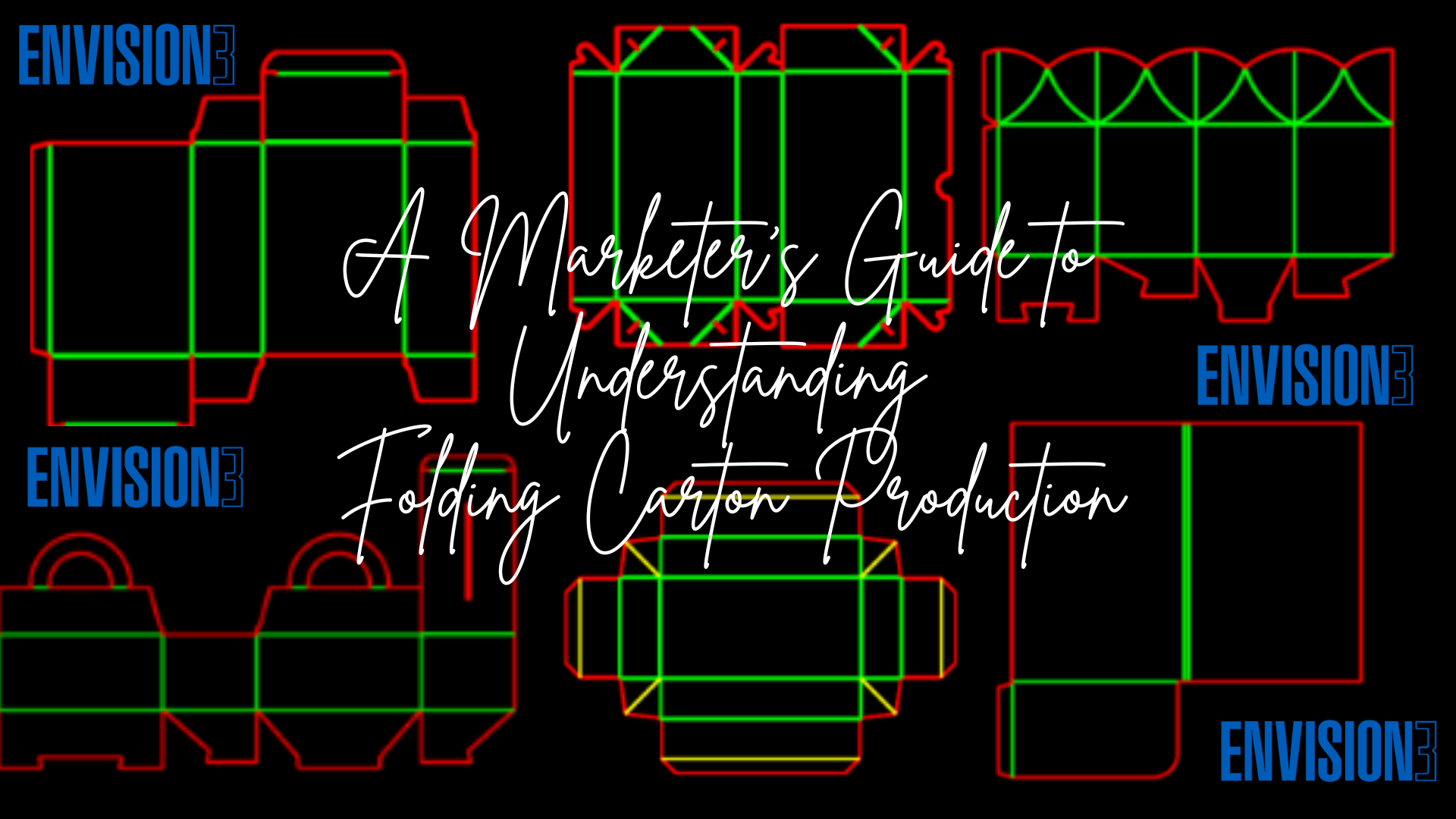
A dieline is the cookie cutter-like shape that will be used to cut the box out of the printed press sheet. It includes glue flaps, cut lines, score lines, bleeds, safety margins, and grain direction of the paper. Every mark has a purpose. If the dieline is wrong, there are compounding effects.
Why marketers should care:
A clean dieline saves hours of revisions and eliminates costly mistakes. Though this step takes time, it is time well spent to get it right the first time.
-
Prototypes
This is where 2D meets 3D. Taking the idea and making it a reality into a prototype. These are whitebox samples of the packaging, to test size, durability, shelf presence, packing ease, functionality, and more.
Why it matters:
Prototypes determine if your product fits in the carton, and sets the stage for how your product travels to the consumer as well as how your customer interacts with the box.
-
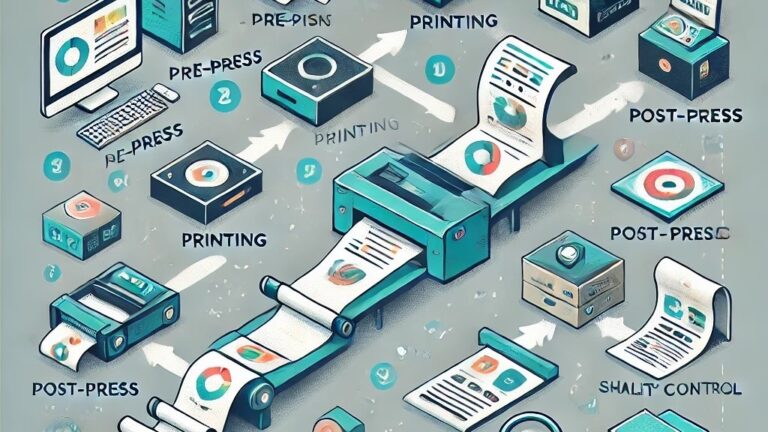
Prepress and Proofing
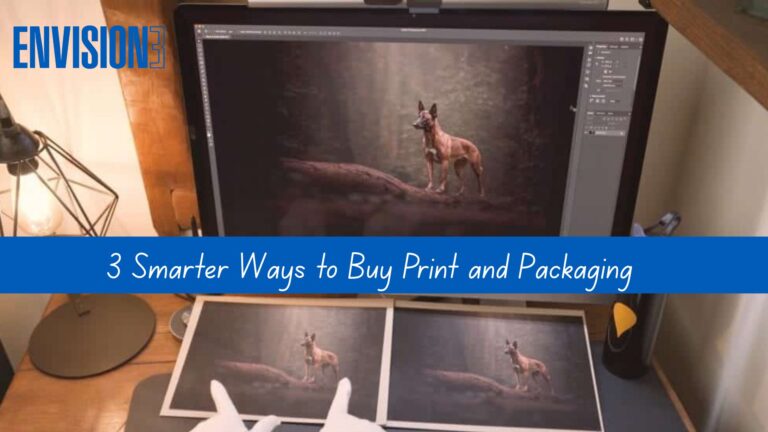
Once the protoype is approved, marketing puts artwork and branding to the dieline, and then we get to proofing the project. This stage includes color calibration, trapping, imposition, checking resolution and fonts, verifying bleeds, and position of artwork on the dieline. We create a printed physical proof as well as a color proof with the dieline overlays.
Why marketers should care:
This is the moment the whole design comes together. Ensuring the color is accurate, that artwork is positioned properly in each panel, that elements of art don’t wrap around the scores (unless they intend to).
-
Printing
Once the printed proof is approved, your packaging is now ready to go on press.
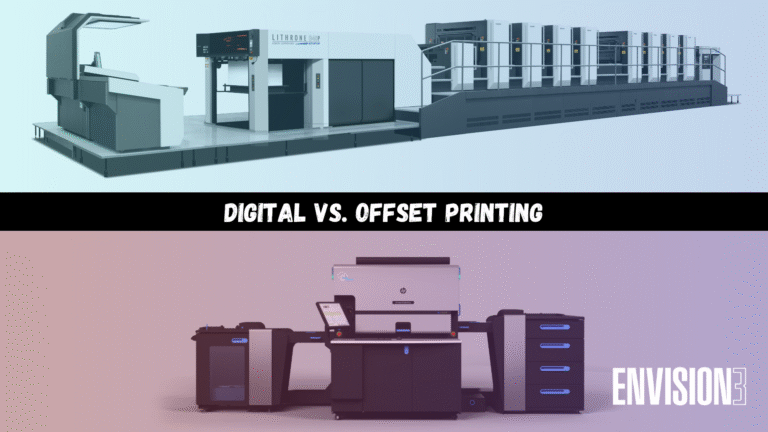
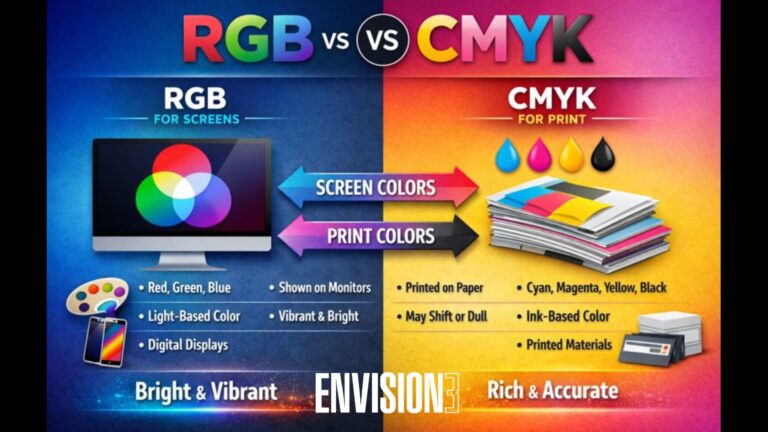
Folding cartons are typically printed on a sheet-fed offset press. The process includes mounting plates, setting up CMYK and spot colors, running test sheets, adjusting ink densities, dialing in registration, and applying coatings such as gloss, matte, soft touch, or raised UV.
Why it matters:
The print stage determines vibrancy, richness, and the tactile feel of your brand.
-
Die Cutting
Sheets move into a die cutter, where a steel-rule die cuts the carton shape.
This is where cut lines become cuts, score lines become creases, nicks are added for sheet integrity, and each carton is prepared for finishing.
Why marketers should care:
Precision matters. A small misalignment affects assembly, consistency, and shelf appearance.
-
Folding and Gluing
After cutting, cartons head to the folder-gluer.
Here the carton is folded, glued, pressed, and stacked. High-speed cameras and sensors ensure consistency and accuracy.
Why this matters:
Strong glue joints and clean folds are the difference between a carton that performs and a carton that fails at retail.
-
Specialty Finishing (Optional)
To elevate your brand, the following options can be added: foil stamping, embossing, debossing, window patching, spot UV, and soft-touch coatings.
Why marketers value this stage:
These finishing touches help your packaging stand out and create a more premium experience.
-
Packing, Palletizing, and Shipping
Finally, cartons are packed flat, sorted by SKU, labeled, palletized, wrapped, and shipped.
Flat shipping reduces freight costs and speeds up assembly for co-packers or fulfillment centers.
Why it matters:
Clean labeling and organized pallets lead to faster receiving and fewer errors.
Final Thoughts: Great packaging isn’t complicated with the right partner
When you understand each phase, you avoid delays, reduce costs, protect color accuracy, and collaborate more effectively with your design and print partner.
At Envision3, the entire process is built around making packaging simple, fast, and reliable for marketers. Clear proofs, consistent communication, dependable lead times, and high-quality printing all work together to remove friction and enhance the final product.
If you ever want help developing your next carton – or simply want a second set of eyes on a dieline -We are always happy to help.